Konkuk University, Seoul · October 5–7, 2016

Natural Science Farming Symposium 2016

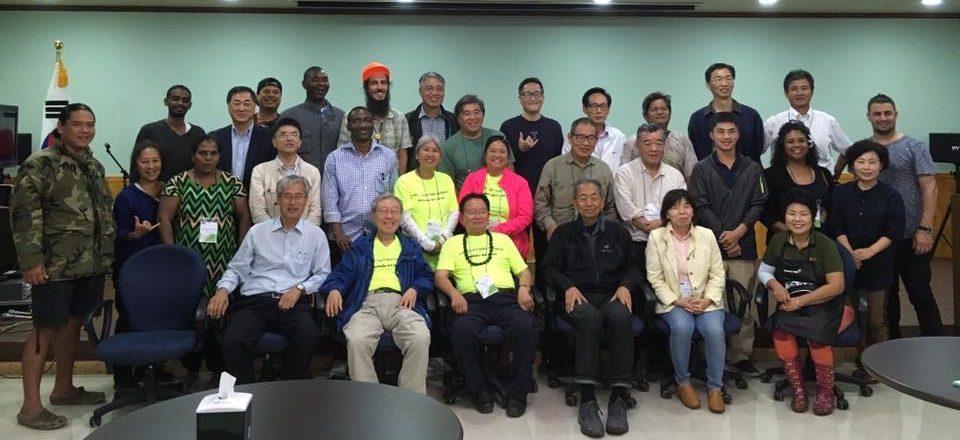
A day of talks in Seoul, then two days on the farms. 23 talks, three languages. Master Cho's students from ten countries showed what natural farming did on their fields, from Afghan potatoes to Hawaiian macadamias. Every talk is translated, checked line by line, and boiled down to what was tested and what happened.

Read what it all adds up to →

Also on the record: Hilo 2015

Topics microbes soil economics pigs poultry rice history corn food scale disease feed health minerals protectors reproduction Clear

5 talks on “corn”

Richard Kwame Denteh ·Ghana ·12 min

Natural-Farmed Maize Out-Yielded Chemical, 4.8 vs 4.1 t/ha

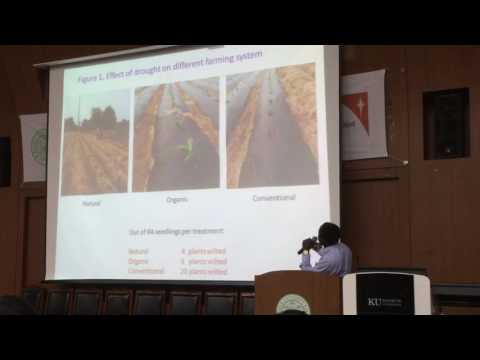
A one-season maize trial at Konkuk's Paju research centre compared natural farming, organic and conventional (chemical) systems side by side. The natural plots had the longest, heaviest ears and the highest yield: 4.8 t/ha dry grain against 4.3 for organic and 4.1 for conventional. After a one-week drought just after germination, 20 of 84 conventional seedlings wilted, against 4 natural and 3 organic.

Found Dry grain yield 4.8 t/ha natural vs 4.3 organic and 4.1 conventional

corn drought food fuel medicine structure

Cho Han-kyu ·South Korea ·23 min Spoken in Korean

Cho at 82: Natural Farming Is Love, Not a Technique

Master Cho, 82, speaks without slides near the end of the first day. Despite the uploader's title, this is not a history lecture. His point is that natural farming is a movement of love, not a technique, and he makes it with stories: turning Kona lava into 3 cm of soil in six months with corn and microbes, Hawaiʻi's vanished egg farms, a 1,200-hectare project in China, and a spring made with bananas in Africa. He also corrects the students on Microbes (IMO4): mix in soil from the field the IMO4 will go to.

Found He has farmed since age 14 and is now 82

corn history microbes minerals poultry scale

Kim Eun-ja ·South Korea ·21 min Spoken in Korean

Native Corn Fed by Growth Stage: Up to Ten Ears on a Stalk

A farmer who runs a natural farming test farm in Paju fed Korean native corn by growth stage. She made her own Microbes-based fertilizers ("IMO5") for nitrogen, phosphorus and potassium and gave them at the times Master Cho teaches. Her seed came from a variety that, she was told, sets one ear per stalk, two at most. Her video shows a plant counted to ten ears, and she says most of the ten filled. This is a first-season farm report with no control, no yields and no dilutions.

Found One plant was counted to ten ears on video

corn microbes native seed nutrient cycle phosphorus pollination

Field trip Master Cho Han-kyu (interpreted by Dr. Hoon Park) ·South Korea ·85 min Spoken in Korean

One IMO4, Three IMO5s: Match the Plant's Stage

After the farm visits of October 6, 2016, Master Cho Han-kyu gave the field-trip group an evening lecture, interpreted by Dr. Hoon Park, on one idea: IMO5 is not one recipe. The IMO4 base stays the same, and what goes in depends on the crop's stage: fish protein for early growth, calcium phosphate from charred bone for the changeover, calcium from charred shell for maturing. He worked it through with corn (calcium phosphate about a week before the changeover, day 58 of 180), then covered seawater at 1:30, a vinegar, LAB and yeast tonic, and an alcohol, mugwort and dropwort recovery mix with doses for pigs.

Found Corn, sugarcane and rice, the grass family, carry about 15–16 leaf layers

corn food microbes minerals nutritive cycle pigs

Field trip Kim Eun-ja (interpreted into English by Dr. Hoon Park) and Ahmad Jawid Zamany ·South Korea ·54 min

Build the Soil First: A Chemical Field's First Natural Year

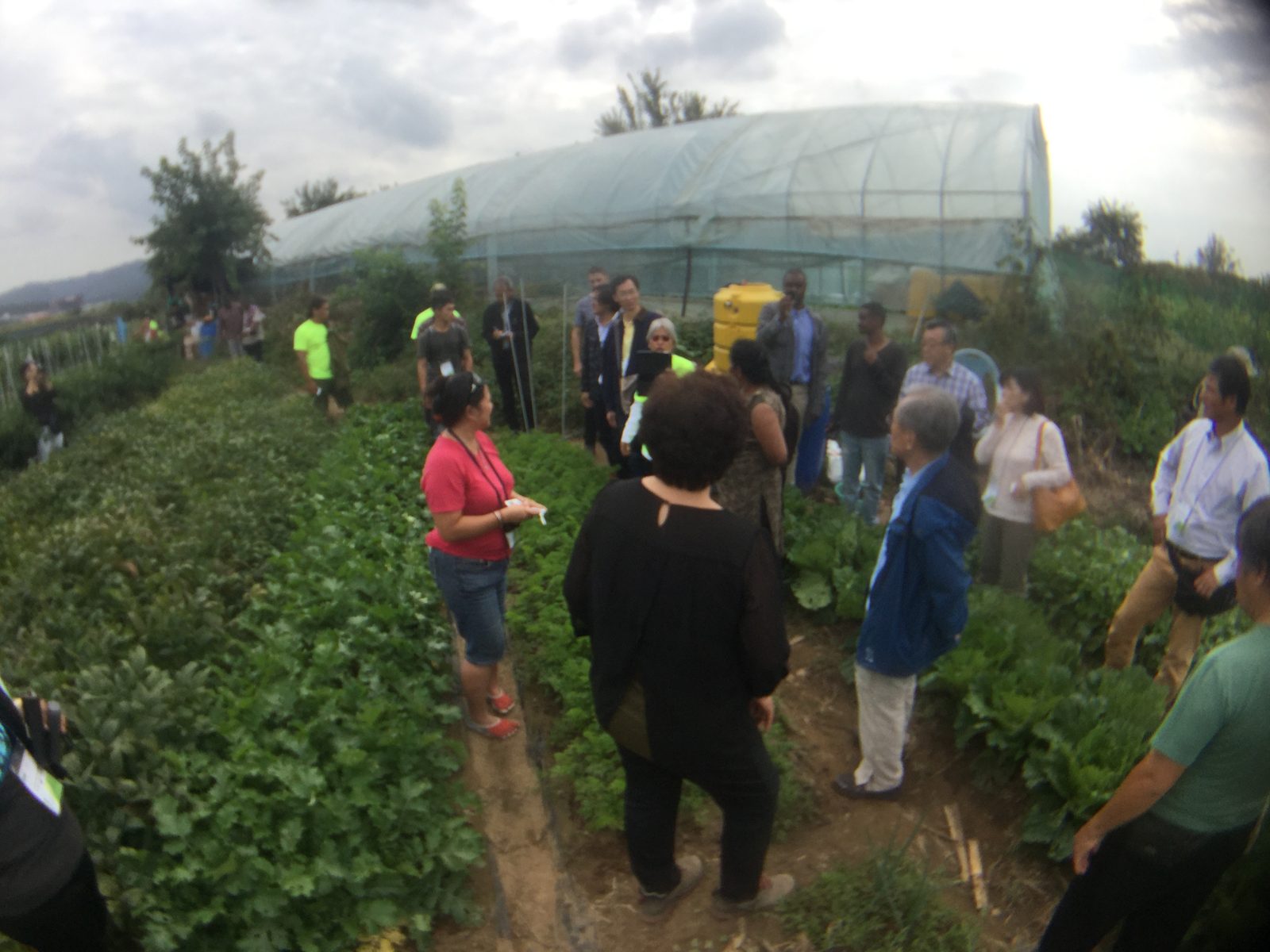
The trip's last farm: Konkuk's natural farming practice field in Paju, where the students' trials from the talks grew. Ahmad Jawid Zamany showed his tomato, eggplant and pepper plots under three systems; in October the natural rows were still flowering and fruiting while the others had nearly stopped. Kim Eun-ja then walked the group through her first natural year on ground farmed with chemicals for decades: careful soil groundwork, her own Microbes fertilizers (IMO5), crop residue returned to the field, and the tomatoes she over-fed with nitrogen.

Found Natural tomato, eggplant and pepper rows still flowering and fruiting in October; organic and conventional had almost stopped

corn ginger microbes pepper poultry soil