Konkuk University, Seoul · October 5–7, 2016

Natural Science Farming Symposium 2016

A day of talks in Seoul, then two days on the farms. 23 talks, three languages. Master Cho's students from ten countries showed what natural farming did on their fields, from Afghan potatoes to Hawaiian macadamias. Every talk is translated, checked line by line, and boiled down to what was tested and what happened.

Read what it all adds up to →

Also on the record: Hilo 2015

Topics microbes soil economics pigs poultry rice history corn food scale disease feed health minerals protectors reproduction Clear

4 talks on “protectors”

Lee Eun-ha ·South Korea ·13 min Spoken in Korean

They Called It Crazy to Feed Chickens Soil Microbes

A Korean missionary tells how he learned natural farming from Master Cho, failed for two or three years in the Philippines, and was called crazy for culturing feed for chickens and pigs with soil microbes. He shows two feed systems: green feed his team can now make the same way all year, and a layered, fermented corn feed with lactic acid bacteria and Microbes (IMO). He gave no numbers. A trial of feed ratios for hens and eggs was still running, with data being prepared.

Found The natural farming method did better than the local method in his side-by-side test

feed health microbes pigs poultry protectors

Lemnsah Andrew Banboye ·Cameroon ·10 min

Water Pepper Rivaled a Chemical Spray on Rice Grasshoppers

Two one-season rice trials tested boiled plant extracts as insect sprays. On Konkuk's natural farming paddy in Paju, water pepper, tobacco leaf and neem sprays cut pest counts to a fraction of the unsprayed plots while dragonflies stayed; in the lab, water pepper and tobacco killed every grasshopper within two days. On a conventional farm in Yeoju, water pepper extract held grasshoppers and stink bugs about as low as the chemical cypermethrin, but not stem borers.

Found Lab: water pepper and tobacco killed all grasshoppers within 2 days

beneficial insects insecticide neem pests protectors rice

Field trip Dr. Hoon Park (interpreting), with Master Cho Han-kyu and the farm's owner, named as Mr. Lee Chang-hyun ·South Korea ·28 min

Quail Waste Becomes Feed at Gokseong's New Model Farm

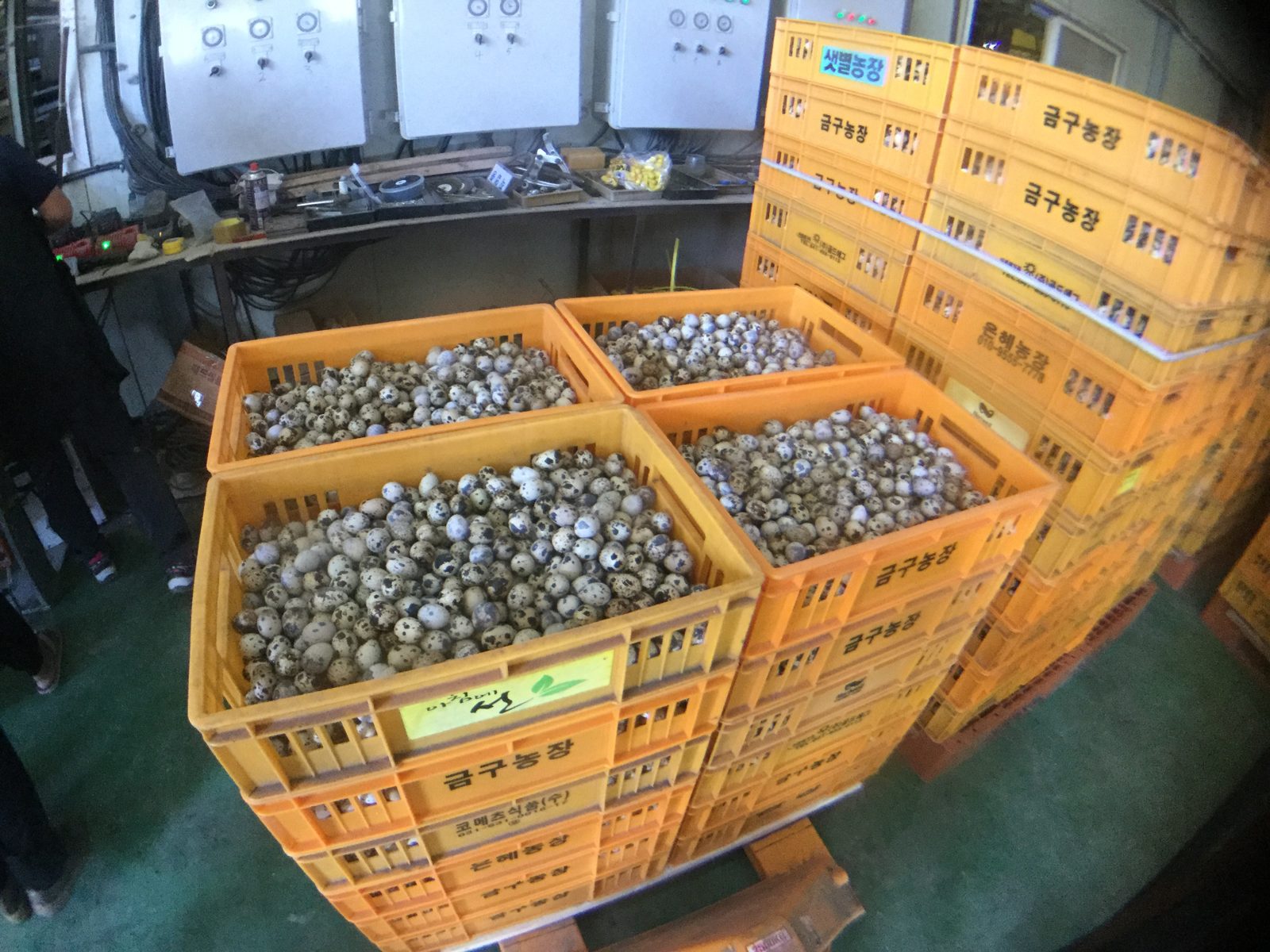
A large quail egg farm in Gokseong was building, with the county, a model farm for pigs, hens and cows beside its quail houses. Dr. Hoon Park interpreted as the hosts and Master Cho explained the deep sawdust floor (soil, salt, sea water), a ventilation roof from Cho's research center, and a feed plan built on the farm's own waste: about 8 tons of quail manure a day. The visit ended at the owner's seven-year-old ginseng, grown under shade with Microbes (IMO).

Found Natural ventilation keeps the pens from getting too hot

cattle feed ginseng microbes pigs poultry

Field trip Lee Eun-ha (host), with Master Cho Han-kyu (interpreted by Dr. Hoon Park) ·South Korea ·44 min Spoken in Korean

Hens Eat Fermented Cow Dung on a Pastor's Muju Farm

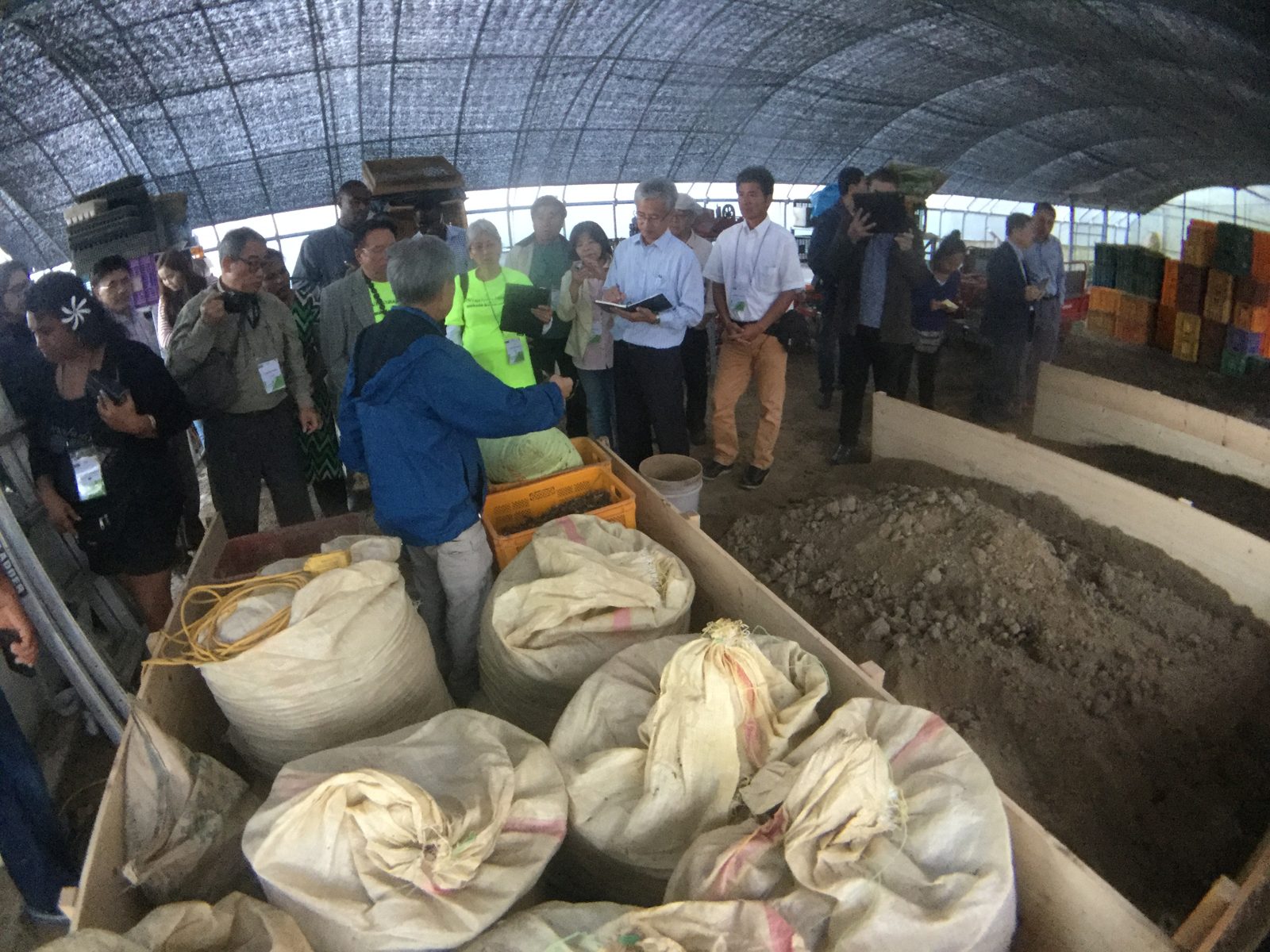
On the evening of October 6, 2016, the group visited a small hen farm next to a country church, run by Lee Eun-ha, the former missionary to the Philippines who spoke on the first day. Master Cho calls it the first place in the world to feed fermented cow dung to hens, inside a closed loop where the farm makes its own feed and fertilizer. The hosts showed chopped green corn stalk fermented for feed, a BMW water tank, IMO4 mixed with a tiller, a feed mixer and fermenting trough, hens on a bare-earth IMO4 floor with no smell, a chili field with soft soil, and a makgeolli insect trap. Laying was about 60% while feed ratios were still being tested.

Found Laying rate about 60%, aiming for 65 to 70%

cow dung economics feed food microbes poultry