Konkuk University, Seoul · October 5–7, 2016

Natural Science Farming Symposium 2016

A day of talks in Seoul, then two days on the farms. 23 talks, three languages. Master Cho's students from ten countries showed what natural farming did on their fields, from Afghan potatoes to Hawaiian macadamias. Every talk is translated, checked line by line, and boiled down to what was tested and what happened.

Read what it all adds up to →

Also on the record: Hilo 2015

Topics microbes soil economics pigs poultry rice history corn food scale disease feed health minerals protectors reproduction Clear

8 talks on “poultry”

Lee Eun-ha ·South Korea ·13 min Spoken in Korean

They Called It Crazy to Feed Chickens Soil Microbes

A Korean missionary tells how he learned natural farming from Master Cho, failed for two or three years in the Philippines, and was called crazy for culturing feed for chickens and pigs with soil microbes. He shows two feed systems: green feed his team can now make the same way all year, and a layered, fermented corn feed with lactic acid bacteria and Microbes (IMO). He gave no numbers. A trial of feed ratios for hens and eggs was still running, with data being prepared.

Found The natural farming method did better than the local method in his side-by-side test

feed health microbes pigs poultry protectors

Son Sung-kyu ·South Korea ·10 min

Mindanao Rice Farmers Took Up Cho's Method, Now Export Rice

A Korean pastor who served in the Philippines from 1991 to 2013 contrasts chemical and natural farming on two slides of paired words, then shows a pig pen and a duck-and-chicken coop. He says farmers used to chemicals are the hardest to change, even after some 60 conferences. He ends with a Mindanao NGO report: he brought Master Cho in for a three-day seminar, the group spent a year testing natural farming on rice, and he says the farmers now export brown rice.

Found Farmers already used to chemical farming were hard to convert, even after almost 60 conferences

economics history pigs poultry rice soil

Cho Kyung-hoon ·South Korea ·17 min Spoken in Korean

One Korean County Took Natural Farming Rice From 23 to 200 ha

A county extension officer from Gokseong tells how his office moved from organic farming that failed to natural farming under Master Cho, starting in 2009. Natural farming rice in the county grew from 23 ha in 2009 to 200 ha in 2015–2016, with 250 ha expected next. The rest is a photo tour of crops and livestock with field stories, spoken figures and few controlled comparisons.

Found Natural farming rice grew from 23 ha in 2009 to 200 ha in 2015 and 2016

economics health horticulture pigs poultry rice

Cho Han-kyu ·South Korea ·23 min Spoken in Korean

Cho at 82: Natural Farming Is Love, Not a Technique

Master Cho, 82, speaks without slides near the end of the first day. Despite the uploader's title, this is not a history lecture. His point is that natural farming is a movement of love, not a technique, and he makes it with stories: turning Kona lava into 3 cm of soil in six months with corn and microbes, Hawaiʻi's vanished egg farms, a 1,200-hectare project in China, and a spring made with bananas in Africa. He also corrects the students on Microbes (IMO4): mix in soil from the field the IMO4 will go to.

Found He has farmed since age 14 and is now 82

corn history microbes minerals poultry scale

Chang-pyo Lee ·South Korea ·26 min

Neorganic Rice: Same Yield, Higher Price, Up to 3x Profit

Chang-pyo Lee of World Vision Korea reports on 'Neorganic' farming (natural farming plus no-till, mulch and compost) in World Vision projects in Vietnam, Sri Lanka and Ethiopia. In Vietnam, rice yielded the same as conventional at lower input cost, and a higher selling price gave two to three times the net profit; chicken and herbs also earned more, while lettuce, broccoli and pigs fed no protein earned less. Ethiopian seed potatoes yielded more at all three cooperatives, and Sri Lankan families gained food access and diet diversity, though their yields were not significantly different from non-participants.

Found Vietnam rice: same yield, 11,000 vs 6,500 VND/kg, 2.3–3.3 times the net profit

economics microbes pigs potato poultry rice

Field trip Dr. Hoon Park (interpreting), with Master Cho Han-kyu and the farm's owner, named as Mr. Lee Chang-hyun ·South Korea ·28 min

Quail Waste Becomes Feed at Gokseong's New Model Farm

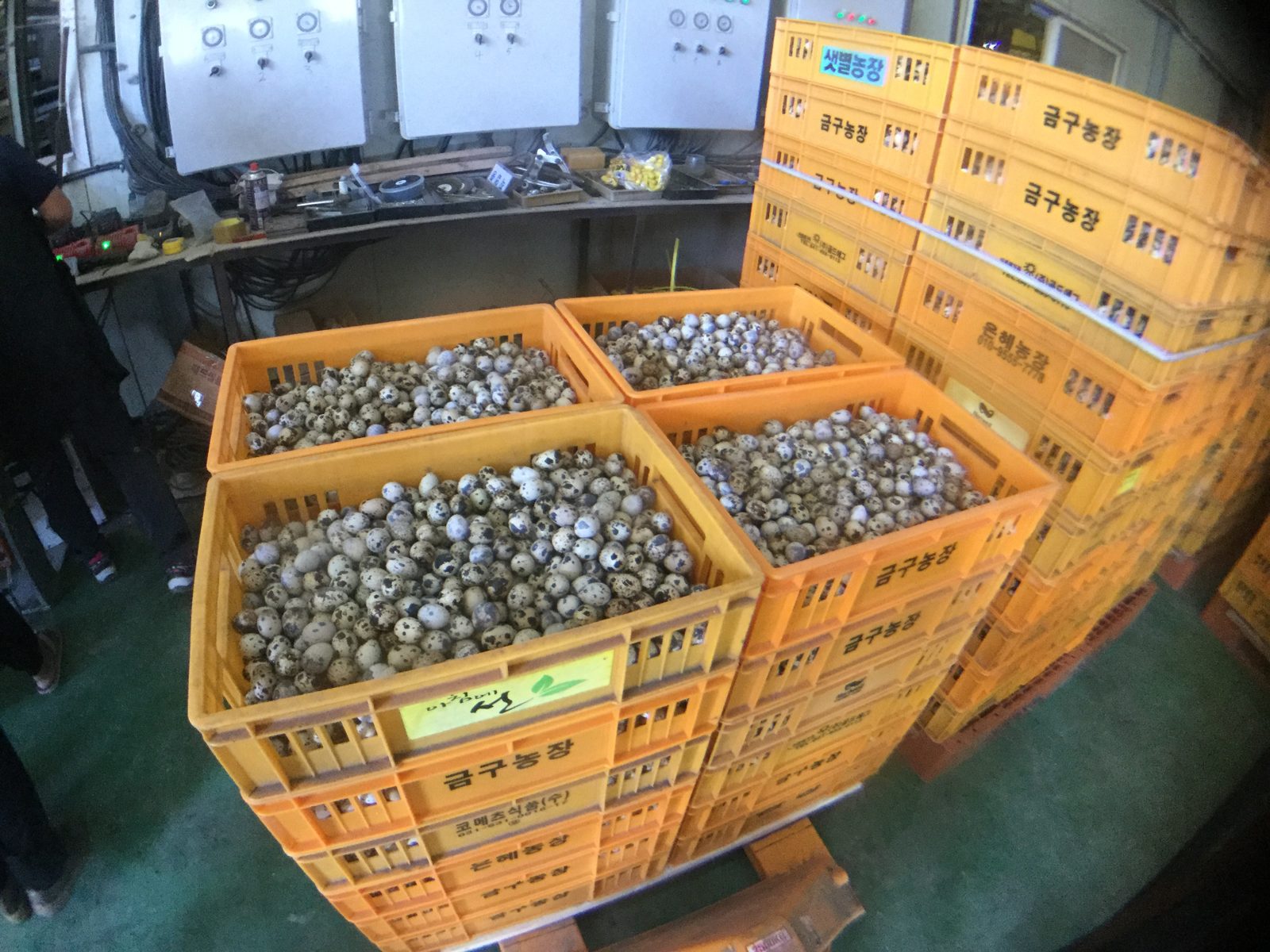
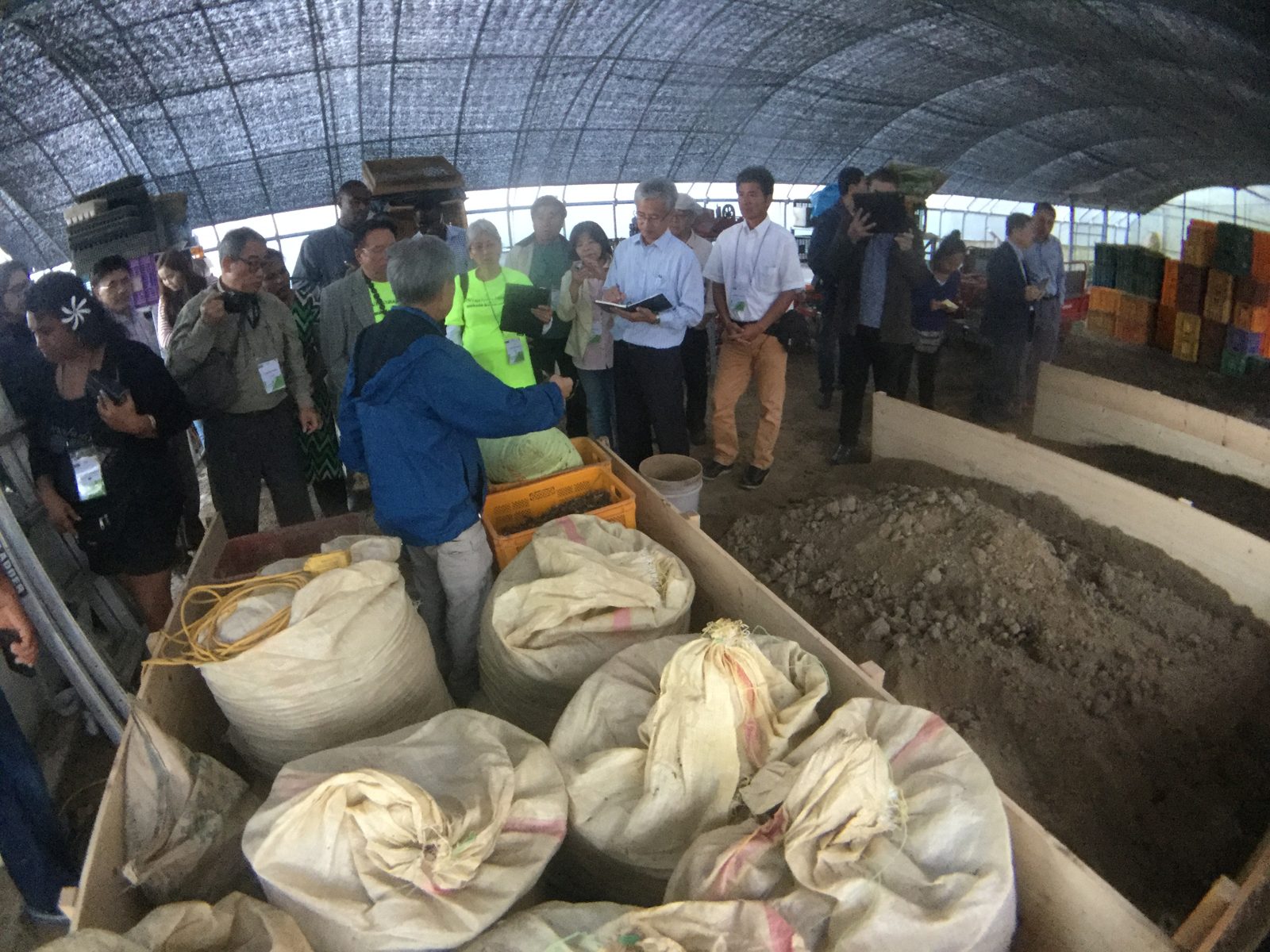
A large quail egg farm in Gokseong was building, with the county, a model farm for pigs, hens and cows beside its quail houses. Dr. Hoon Park interpreted as the hosts and Master Cho explained the deep sawdust floor (soil, salt, sea water), a ventilation roof from Cho's research center, and a feed plan built on the farm's own waste: about 8 tons of quail manure a day. The visit ended at the owner's seven-year-old ginseng, grown under shade with Microbes (IMO).

Found Natural ventilation keeps the pens from getting too hot

cattle feed ginseng microbes pigs poultry

Field trip Lee Eun-ha (host), with Master Cho Han-kyu (interpreted by Dr. Hoon Park) ·South Korea ·44 min Spoken in Korean

Hens Eat Fermented Cow Dung on a Pastor's Muju Farm

On the evening of October 6, 2016, the group visited a small hen farm next to a country church, run by Lee Eun-ha, the former missionary to the Philippines who spoke on the first day. Master Cho calls it the first place in the world to feed fermented cow dung to hens, inside a closed loop where the farm makes its own feed and fertilizer. The hosts showed chopped green corn stalk fermented for feed, a BMW water tank, IMO4 mixed with a tiller, a feed mixer and fermenting trough, hens on a bare-earth IMO4 floor with no smell, a chili field with soft soil, and a makgeolli insect trap. Laying was about 60% while feed ratios were still being tested.

Found Laying rate about 60%, aiming for 65 to 70%

cow dung economics feed food microbes poultry

Field trip Kim Eun-ja (interpreted into English by Dr. Hoon Park) and Ahmad Jawid Zamany ·South Korea ·54 min

Build the Soil First: A Chemical Field's First Natural Year

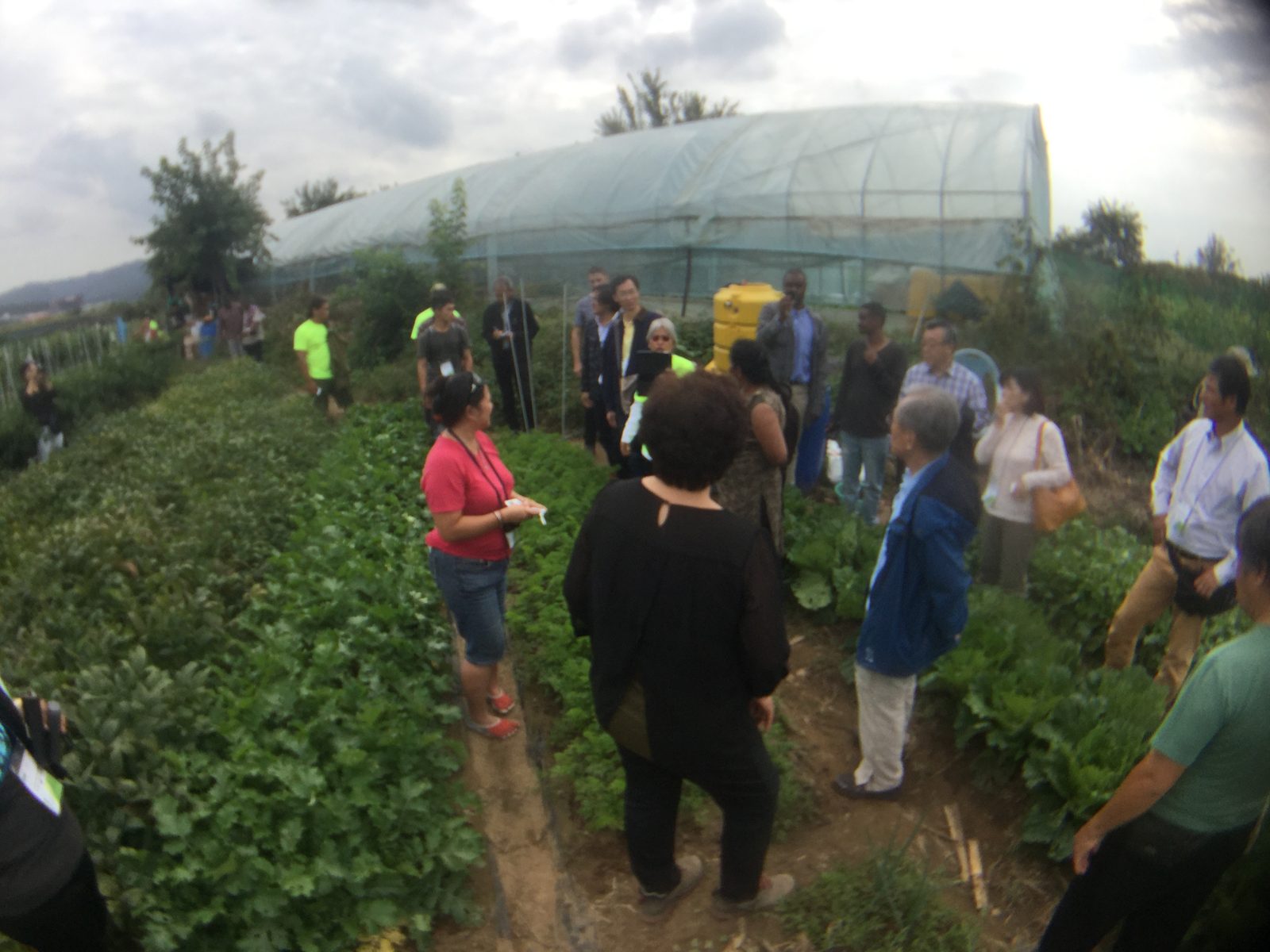
The trip's last farm: Konkuk's natural farming practice field in Paju, where the students' trials from the talks grew. Ahmad Jawid Zamany showed his tomato, eggplant and pepper plots under three systems; in October the natural rows were still flowering and fruiting while the others had nearly stopped. Kim Eun-ja then walked the group through her first natural year on ground farmed with chemicals for decades: careful soil groundwork, her own Microbes fertilizers (IMO5), crop residue returned to the field, and the tomatoes she over-fed with nitrogen.

Found Natural tomato, eggplant and pepper rows still flowering and fruiting in October; organic and conventional had almost stopped

corn ginger microbes pepper poultry soil