Makapala, North Kohala, Hawaiʻi Island · October 19–21, 2017

Master Cho on the Nutritive Cycle

Three days in a Makapala hall with Master Cho Han-kyu: when to feed a crop, what to feed it, and why. All seven recorded sessions are here as they happened. His Korean is translated again and checked, so you can read what he said, not only what the room heard.

Read what it all adds up to →

Topics microbes nutritive cycle livestock history timing soil food philosophy structure medicine rice cleanser fruit trees protectors reproduction corn Clear

11 talks on “livestock”

Master Cho Han-kyu, interpreted by Kim Chang ·16 min Spoken in Korean

Crops Get Morning Sickness Too

From the Korean saying 'a good field bears healthy children', Cho moves to pregnancy and morning sickness as his picture of a body asking for what it needs. Then he turns it on the farm: pigs, cows, chickens, papaya, mango and tomato have their own morning sickness and cycles, and corn bears its ears for its own young, not for us.

Found Korean saying: the field has to be good to bear healthy children.
nutritive cycle reproduction livestock corn philosophy

Master Cho Han-kyu, interpreted by Kim Chang ·16 min Spoken in Korean

Seawater 1:30, Two Hours Before Sunset = Fast Uptake

Cho says the soil's hometown is the sea, from Genesis, and tells Elisha salting the spring in 2 Kings as the Bible's seawater story. Then the ranch: cows dying on acidic grass, an owner afraid of salt, and the fix, seawater diluted 1 to 30 because seawater is 3% salt and a plant's green blood 0.1%. For drought pasture he gives the timing: spray 1 part seawater to 30 parts fresh water two hours before sunset, cut and feed the next day, and the same timing for every crop.

Found The soil's hometown is the sea, so Natural Farming uses a lot of seawater.

minerals seawater livestock pasture timing drought

Master Cho Han-kyu, interpreted by Kim Chang ·18 min Spoken in Korean

Microbes Digest, You Absorb: Keep Microbes and Feed Local

Seated now, Cho says a crop is a living being made of the same sun, air, water and soil as us, so farming starts with humility: 'natural farming is love'. He writes three chi and three heats on a fresh flip-chart page and says body heat is fermentation heat, because microbes digest our food and we absorb what they make. From there: collect microbes near you, and feed livestock what is made here, not shipped in.

Found A crop is a living being like you, made of the same sun, air, water and soil.

microbes protectors livestock feed fermentation philosophy

Master Cho Han-kyu, interpreted by Kim Chang ·33 min Spoken in Korean

Plump, Slim, Plump Again: Feed Every Stage

Cho walks through how a child goes plump, slim and plump again with age, and says young paprika, tomato, papaya, pigs and chicks should be raised plump too. Miss the balance at the changeover and the crop gets sick, so he has had his stage-by-stage chart translated for this level-3 seminar. Then fermentation heat (an IMO 4 pile runs 60-70 °C), a seminar notice, and an open Q&A: seawater 1:30 for all crops, salt blocks, no seawater nearby, and 'the crop is the professor'.

Found A newborn, plump or skin and bones, fills out on mother's milk by one or two years old.

nutritive cycle minerals microbes livestock tomato paprika

Joe McGinn ·33 min

Spray Once a Week, Price It High: Growing Farmers on Oʻahu

Joe McGinn's second deck: how he came to natural farming through Dr. Hoon Park and the 2011 Makapala course, what the Oʻahu network has learned (a food-safety test of the solutions, family classes, shared Medicine, chefs and home pig processing), and its challenges: doing it every week, getting to market, and making it pay. Questions on pigs, chickens and rabbits close it; his advice is to start with chickens.

Found Korea gets one chance a year: if the crop fails, winter comes and there's no food

livestock pigs protectors medicine reproduction taro

Master Cho Han-kyu, interpreted by Kim Chang ·29 min Spoken in Korean

Eggshell, Bone + Vinegar = Hens Laying, Sows in Heat

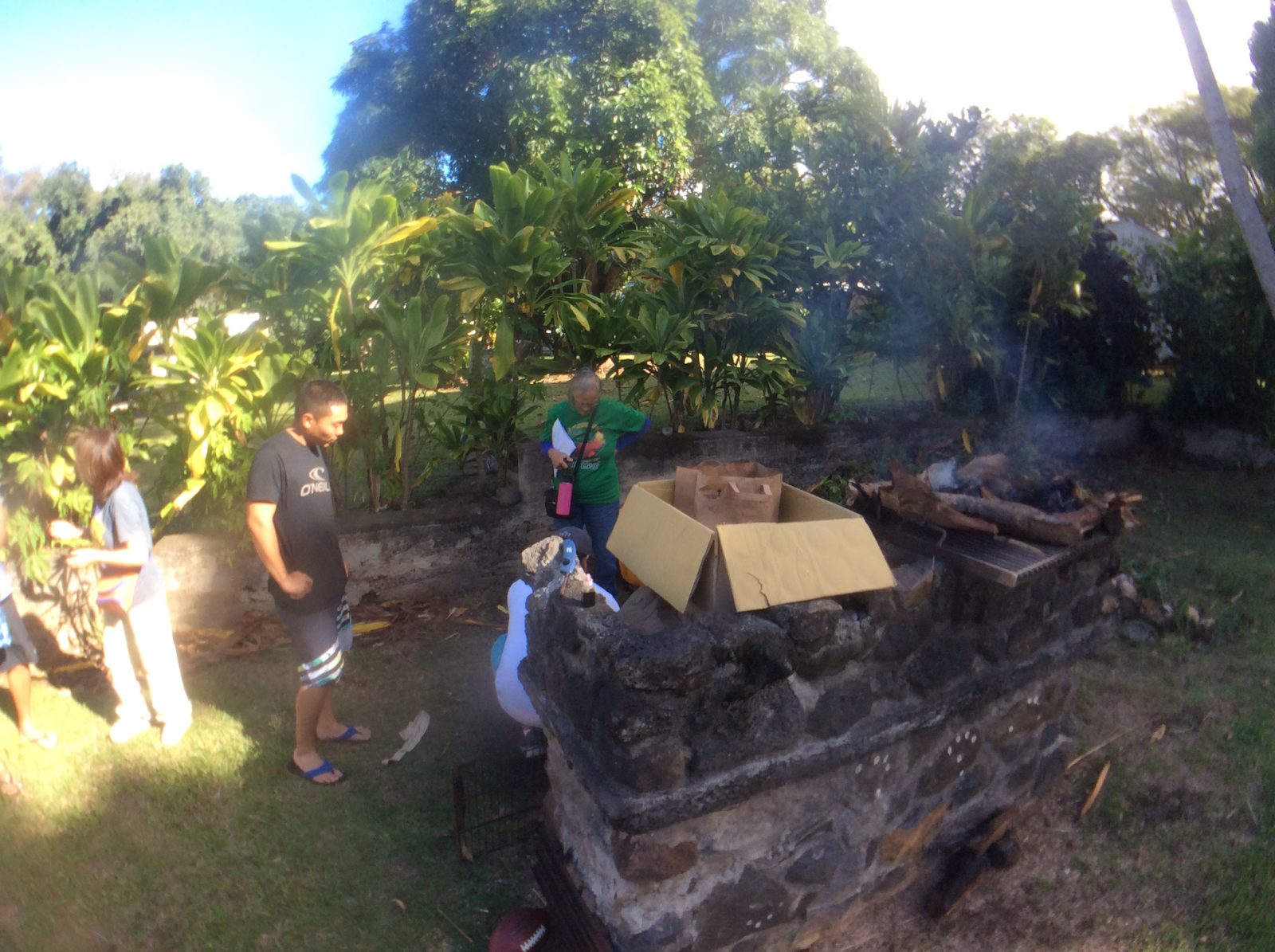
Drake interviews two Kohala farmers, then the camera catches the outdoor egg yolk oil demo. Back in the hall, Cho talks about egg yolk oil, then turns to Reproduction (WCA) from eggshells and Structure (WCP) from burned cow bone: why each dissolves in vinegar, and how he uses them for flower buds, hens that stop laying and sows that won't come into heat.

Found Start egg yolk oil with one dozen eggs; a batch takes about an hour

reproduction structure medicine cleanser livestock poultry

Master Cho Han-kyu, interpreted by Kim Chang ·35 min Spoken in Korean

Chicks on Brown Rice, Hens on Green Corn, Sun on the Floor

The livestock section starts. Cho shows his self-ventilating pen and skylit chicken house, then raises chicks: brown rice first, the 3-day yolk, egg yolk with bamboo leaves, then greens like a cow. Green corn chopped and fermented with IMO4, LAB and grape yeast becomes feed; his feed-plot arithmetic gets checked by the room. He ends on the layer house: openings at 36 cm, sun across the floor once a day, and a rice-straw floor with no flies and no smell.

Found Sun on a sheet-iron roof pulls fresh air through the pen

livestock poultry microbes protectors feed corn

Gus, with Master Cho Han-kyu (interpreted by Kim Chang) ·18 min

Build the Coop Before the Chicks: Gus's Hard Lesson

Gus tells the room about two weeks of poultry training in Korea and his first batch at home: 100 chicks shared with Stephen, and most of his died. Not from sickness: fear of mongoose kept them crowded in too small a space. Kim Chang, the interpreter, adds her own lessons on mongoose and rats, Cho says with proper housing not one of 100 chicks dies, and Steve tells how fish killed his.

Found Two weeks of hands-on poultry training in Korea, April 2017

livestock poultry housing predators testimony chicks

Master Cho Han-kyu, interpreted by Kim Chang ·28 min Spoken in Korean

A Yolk You Can Lift: Hen Houses and Egg Tests

It's past 9 pm and Cho keeps going through his poultry slides: soil floors and dust baths, Korea's pesticide eggs, the hen that roosts highest, broody cages, dark laying boxes and rice hulls. He shows home-made feed, pig feed from broiler litter, and how to test an egg: lift the yolk, look for three layers, pull it with a toothpick. Then blood spots, red paper against pecking, dissected birds and darker yolks from purple sweet potato.

Found On a soil floor the droppings break down and the hens dust-bathe

livestock poultry eggs microbes protectors feed

Master Cho Han-kyu, interpreted by Kim Chang ·20 min Spoken in Korean

Sawdust + IMO4 = A Pig Pen Nobody Cleans for 3 Years

Fifteen more minutes of slides, now pigs. Cho shows the wing-curved roof, houses 2 m apart with perilla between, and the floor bed of logs, sawdust and IMO4 that lets one housewife keep 300 pigs with no cleaning for 3 years. Then free sow pens, a Chinese pen at minus 40, a fermented feed box, food scraps and pig dung turned into feed, piglets on the first nipple, and a stress-hormone slide. The session ends: 'that is love', and the rest tomorrow.

Found The pig-house roof curves like a chicken's wing

livestock pigs microbes housing feed floor bed

Master Cho Han-kyu, interpreted by Kim Chang ·30 min Spoken in Korean

Send a Dowry at Transplant, Then Read the 180-Day Chart

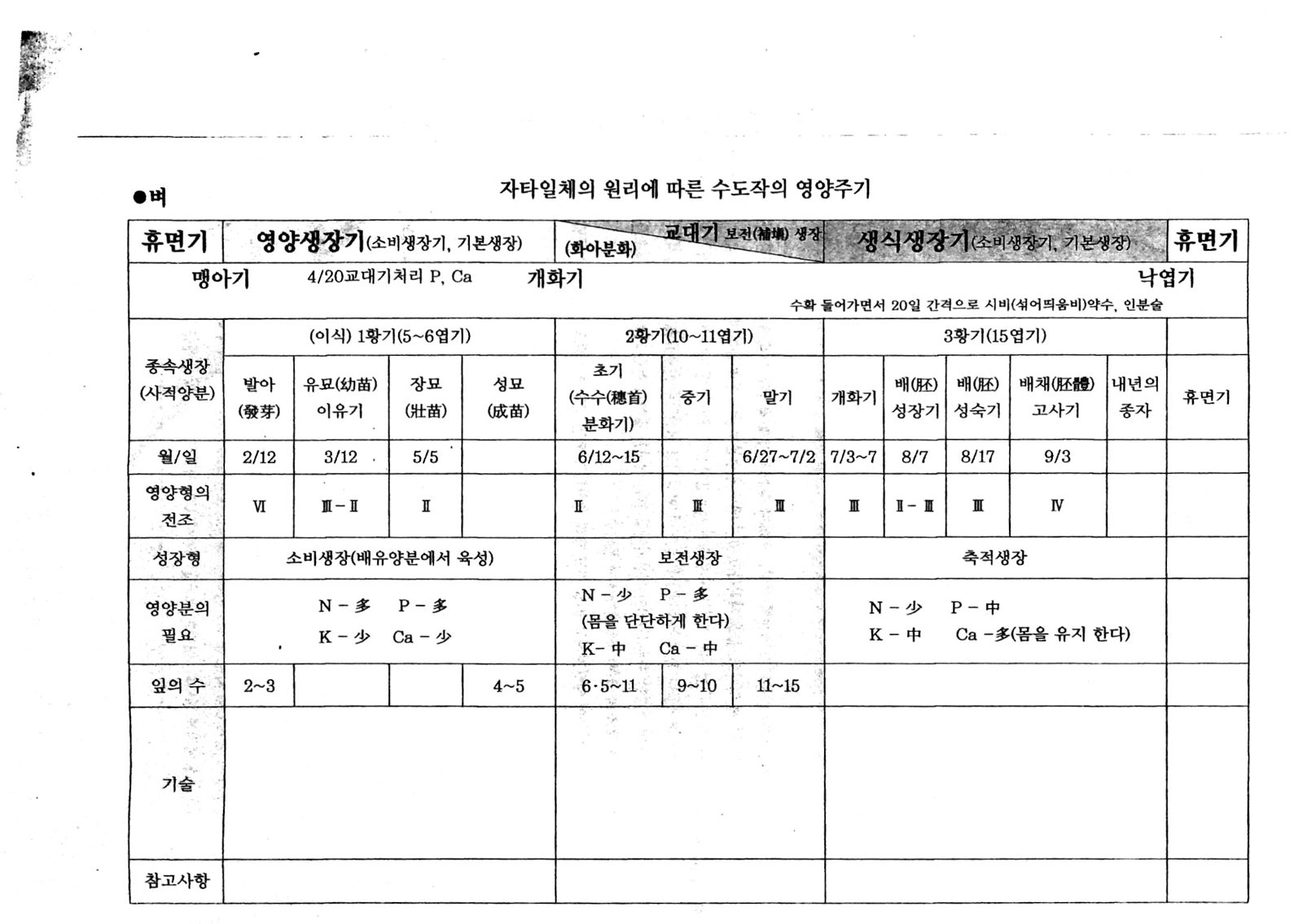
Rice goes to the field on May 5. Cho's dowry story: like a father sending a daughter off with money, give extra at the end of Type 2 so the transplant roots in and fruits. He says Natural Farming is a work in progress that Hawaiʻi must build for its own weather, then walks the rice chart by date and leaf count, calls rice a 180-day crop, warns against overfeeding, and reads the nitrogen, phosphorus, potassium and calcium needs of each stage.

Found Rice is transplanted at the strong-seedling stage, May 5, and gets Type 2 again in the main field

nutritive cycle rice transplanting timing nitrogen calcium