Learn
Ask anything about natural farming.
We’ll look through Master Cho’s books, every Office Hours episode since 2021, the University of Hawaiʻi papers and the community’s answers — and tell you which is which.
What we have on “LAB”
ClearGrouped by where it came from. The coloured tags match the guide below.
Super LAB
Drake Weinert L4 · provisional Combining different microbes, again, is not novel. Folks have been selling EM1 which is a combination of Lactos, Yeasts, and Purple Bacterias for decades. This is also a very powerful combination, and when you combine independently very powerful microbes…LAB does not separate - troubleshooting
dagoofman it just sounds like your jar was to small to allow proper separation of the curd and whey i personally use 1/2 gal of milk in a 1 gal jar just to leave enough head room the curd expands a lot ..... and getting a lil curd in the final solution i don't think…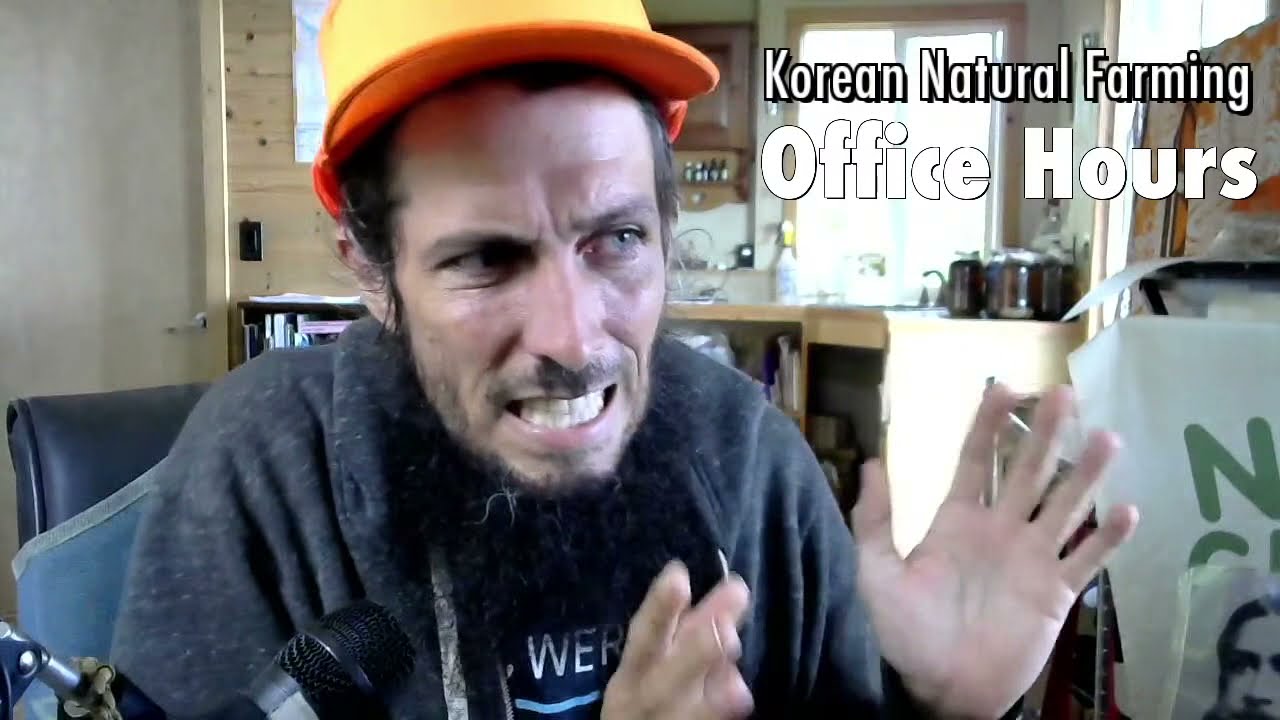
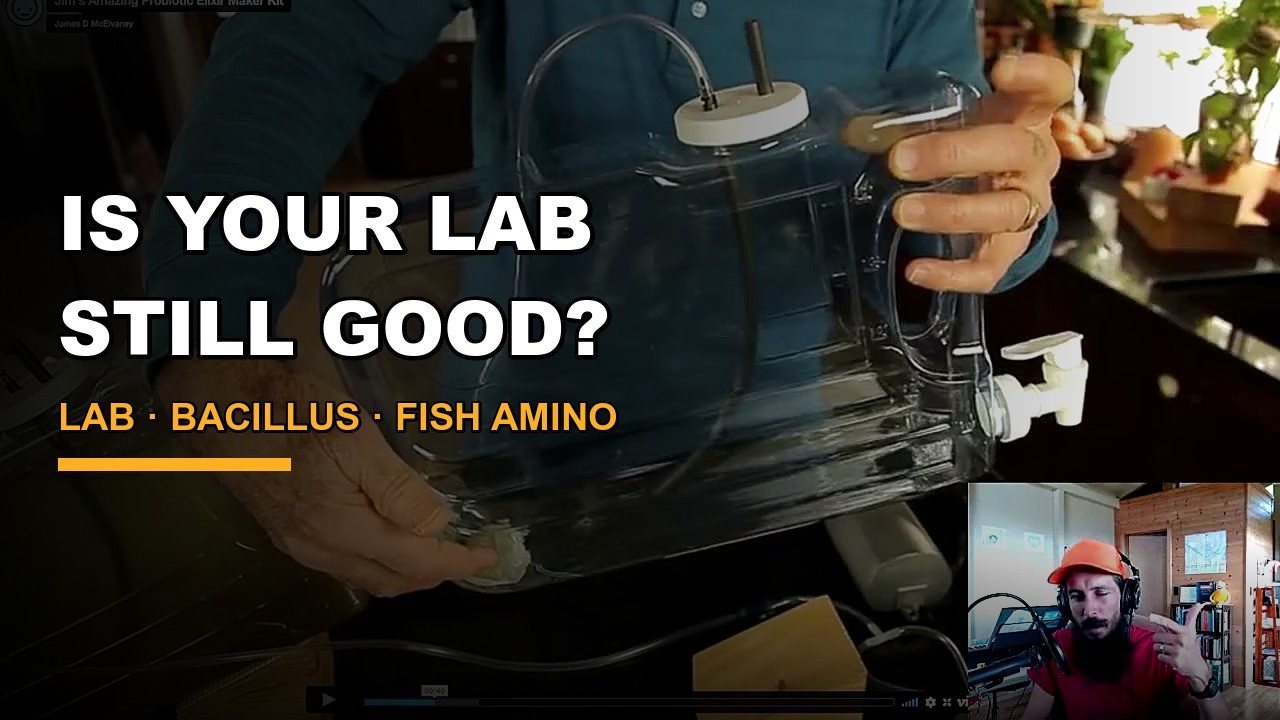
No book or paper has that in its title or summary. The books cover far more than their titles — search inside them when you borrow one.
Still stuck?
Post it as a question. Members answer, and the answer stays here for the next person.
Where the answers come from
Almost every answer here traces back to one teacher. Everything else carries his teaching forward or tests it.
The source
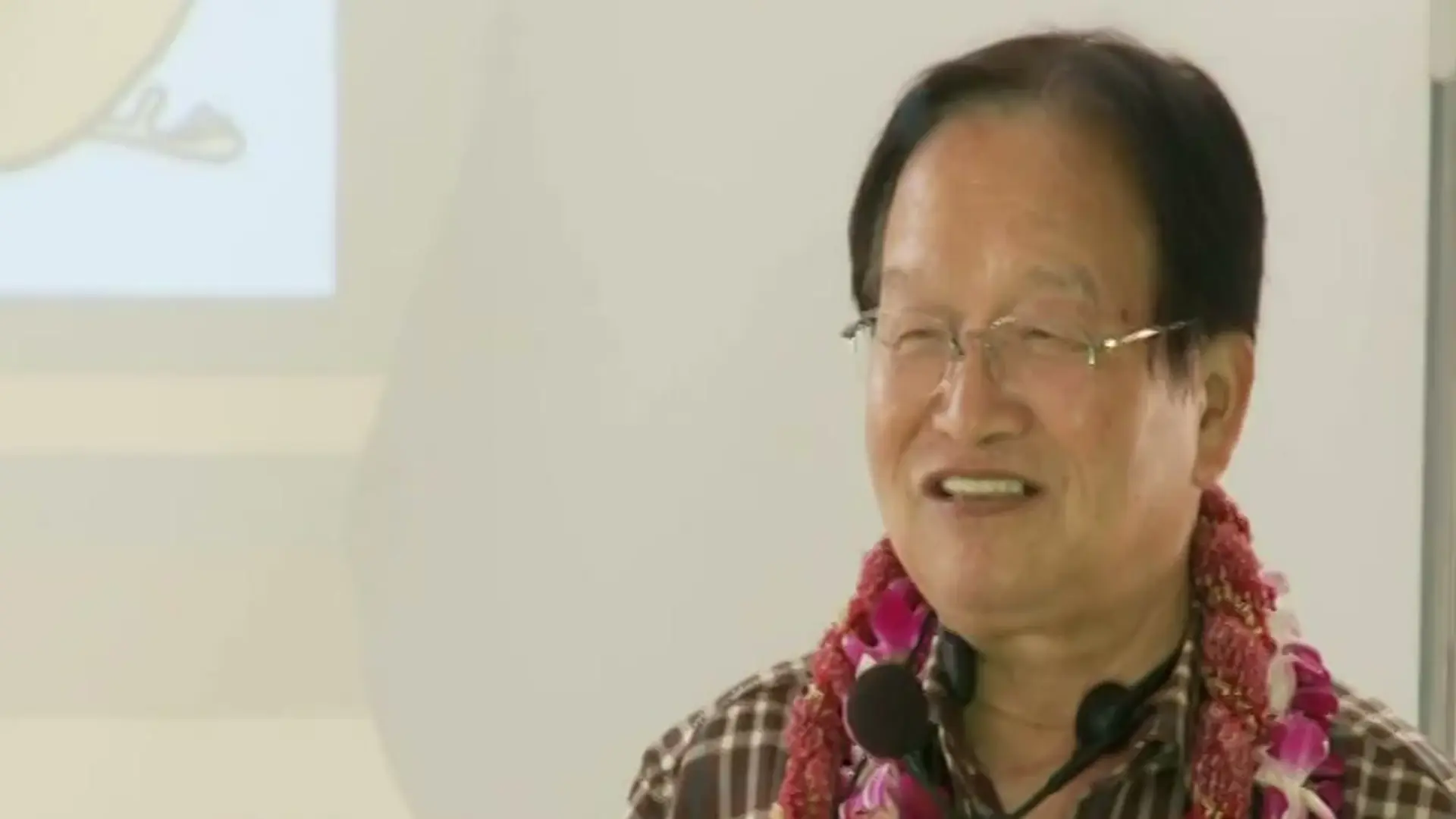
In the lecture hall 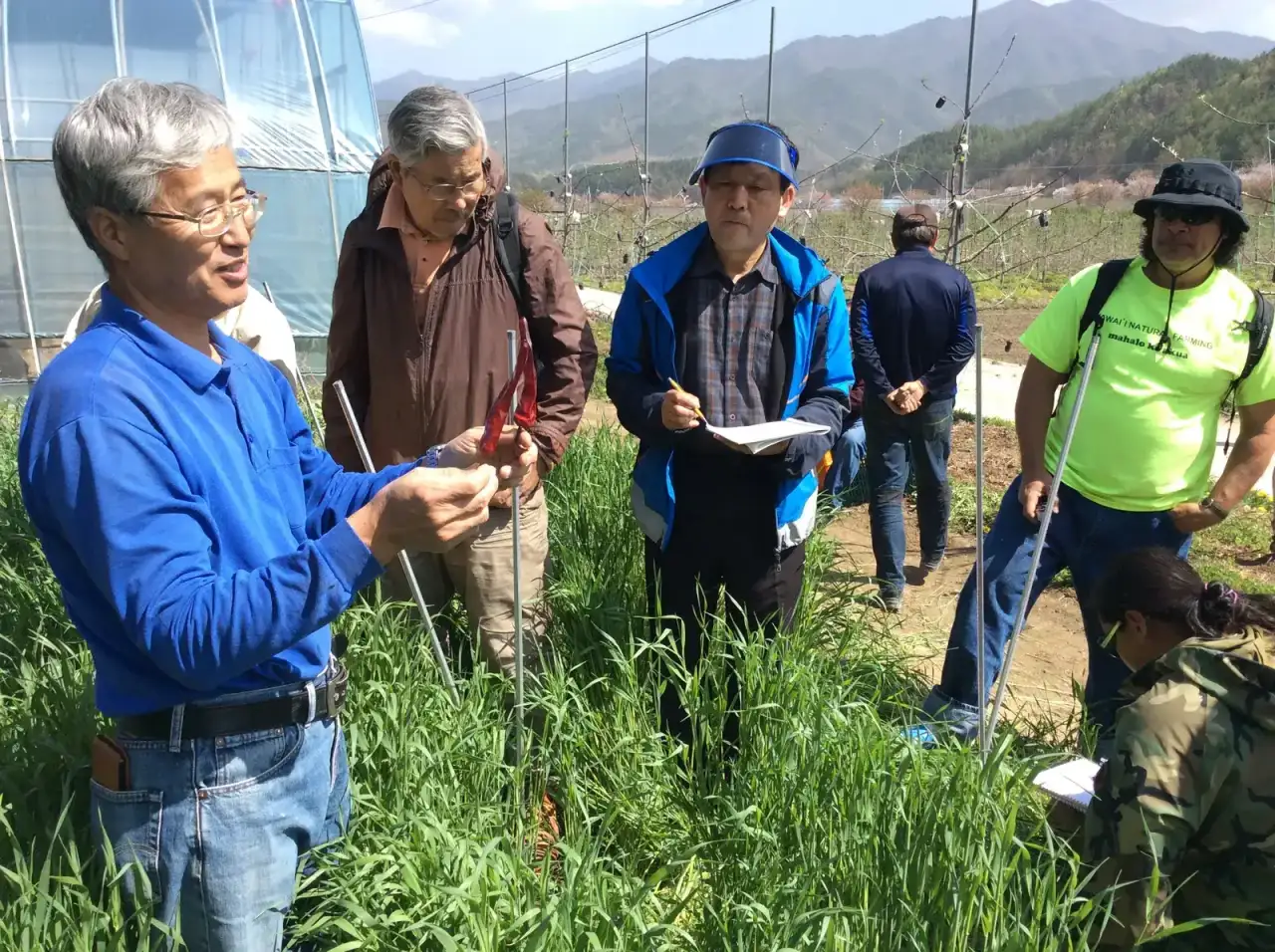
Advanced course, Korea 2017 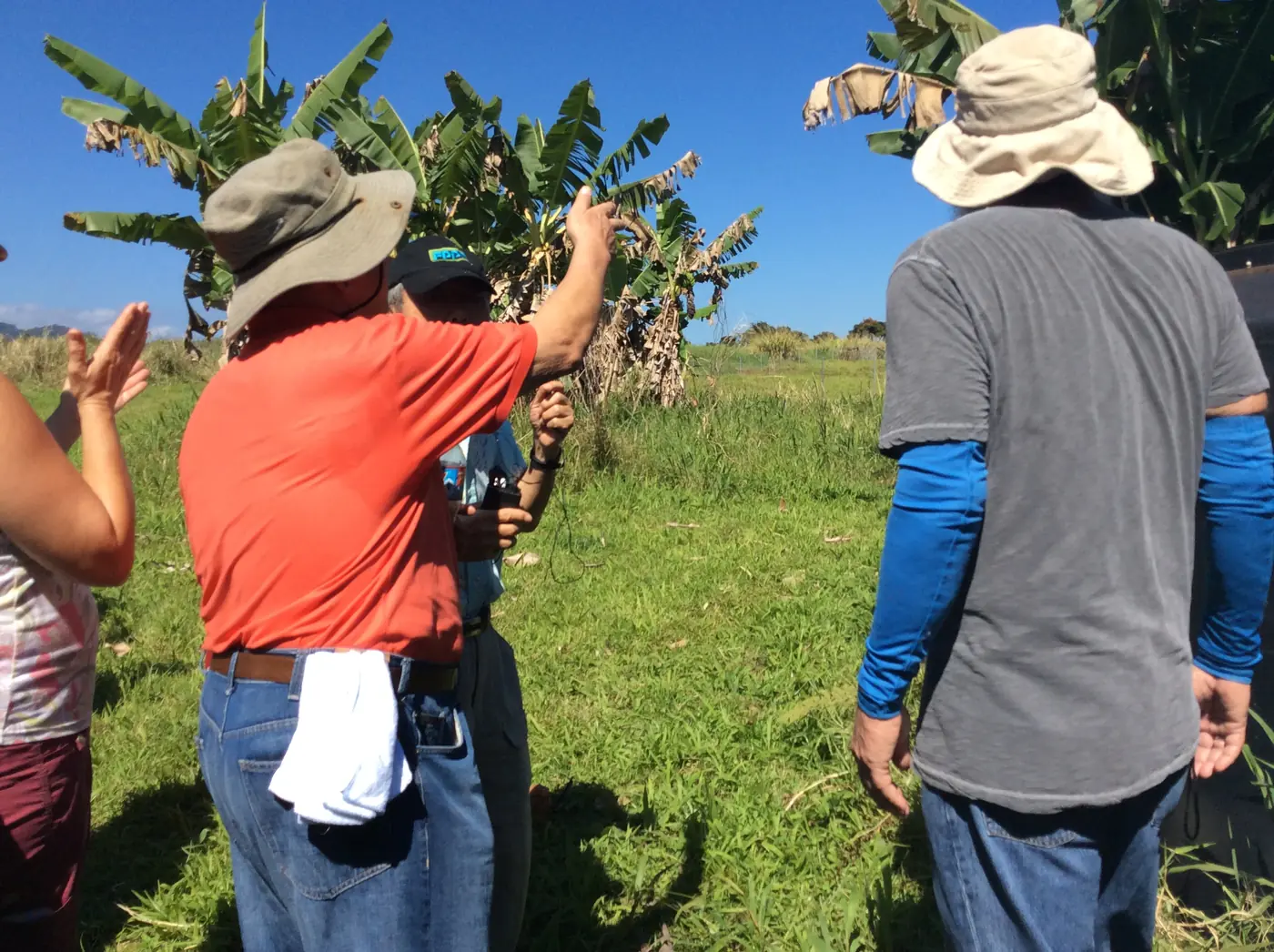
Walking a farm, Papaikou 2017
Master Cho, in his own words
Cho Han-Kyu invented Korean Natural Farming and taught it for decades. We kept everything we could: what he wrote, and what he said in the room.
2003–2010
His books
Janong Natural Farming, the theory and recipe books, and his textbooks on fruit trees, plants and livestock.
Members borrow
2009–2018
2005–2018
His lectures
Seminars in Korea and Hawaiʻi, including the 2016 Hilo seminar, filmed on four cameras.
Coming to membersAdvanced classes
Multi-day courses on fruit trees, the nutrient cycle, poultry and swine. Kohala 2017 is open now: every Korean line translated and checked.
Read free · members watch
2009–2018
Field trips
Cho walking real farms in Hawaiʻi and Korea, saying what he saw and what to do about it.
Coming to members
Over the years
The videos
The 2010 seminar DVD series and our trips to Korea. Hundreds of hours in all.
Coming to membersEvery recording is transcribed. The videos open to members as the Master Cho Archive.
Carried forward
Pure KNF
His teaching, applied to farms today
Dr. Drake teaches what Cho taught, on tropical farms, with what you can buy now.
Archive · since 2021
Office Hours
Farmers’ questions answered on video. Every word is searchable, down to the minute.
Free MonthlyHilo meetings
In person, second Tuesday. Recorded and posted.
Free Level 1The foundation course
The inputs in order, and why each one works. The first step to certification.
CertificationTested
UH papers
University of Hawaiʻi papers
Extension papers from 2013–14, many written with the farmers who made the inputs, plus lab studies of the microbes.
- Good for
- Step-by-step recipes with photos, and what was measured.
- Watch for
- One input or one trial per paper.
Community
Farmers answering farmers
Questions and answers from people doing this on their own land.
- Good for
- “Has anyone seen this?” Mold, smells, pests, batches gone wrong.
- Watch for
- One farm’s experience. Check it against Cho. Look for the certification badge.
Symposia
Two symposia, every word on the record
Hilo 2015: Hawaiʻi's farmers, teachers and beekeepers made the solutions by hand on the lawn, then compared notes on panels. Konkuk 2016: Master Cho's students from ten countries showed their field trials, translated line by line. Every talk is checked and boiled down to what was shown and what happened.
- Good for
- Recipes made in front of you, side-by-side numbers, and what worked on real farms.
- Watch for
- One season, small plots, farmers' stories. Each page says how far to trust it.
When they disagree
- Recipes, ratios, timing — Master Cho wins.
- What was measured — the papers win.
- What works on your land — your own trial, written down.
“From the KNF library” answers
Some questions carry an answer drafted by Claude from Office Hours and the books. Every claim links to the minute or page it came from. It never outranks a person’s answer. Follow the links.
Youngsang Cho's Ultra Low Cost Agriculture (taught open source as MADAJ) is a different system with different recipes. Don’t mix their ratios with these.
Three ways to ask
Start with the fastest. Move down the list if it doesn’t answer you.
1 · Seconds
Search
Type it in the box at the top. You get written answers, the minute it came up on Office Hours, and any book or paper on it. Free.
2 · Days
Post a question
Members post a question. Other members answer, and many get a library answer with sources.
Become a member
3 · This month
Bring it to a meeting
The Hilo meeting, 2nd Tuesday. Bring the jar. Someone in the room has made it.
See meetings